Follow Me On Social Media!

How to Cook Eggs: 10 Easy and Irresistible Techniques

Introduction to Cooking Eggs: 10 Ways
When it comes to cooking, knowing how to cook eggs is like unlocking a culinary superpower. Imagine the joy of transforming simple ingredients into an array of delicious dishes. From the comforting embrace of a soft-boiled egg in your ramen to the luxuriousness of a creamy custard, eggs elevate our meals in ways we often take for granted.
Eating eggs has been a cherished breakfast staple across cultures for centuries. It’s not just their delightful taste but also their remarkable versatility that makes them a kitchen favorite. Cooked alone or as part of a recipe, eggs bring so many flavors and textures—scrambled, poached, fried, or hard-boiled, the options are virtually endless.
Plus, they pack a nutrient-rich punch, containing high-quality protein, vitamins, and minerals. Whether you’re starting your day with a hearty meal or whipping up a quick snack, eggs fit seamlessly into any part of your daily routine. They can be the star of your dish or play a supporting role, binding ingredients together when baking.
What makes eggs such a versatile ingredient?
The magic of eggs lies in their ability to adapt to a myriad of cooking methods and cuisines. Think about it:
- Scrambled Eggs: Quick and easy, perfect for a busy morning.
- Poached Eggs: Elevate your brunch game, especially on avocado toast.
- Hard-Boiled Eggs: Ideal for packing in lunches or adding to salads.
- Omelettes: Endless filling possibilities make every omelet unique.
Each cooking technique not only changes the flavor but also the texture, making eggs suitable for any meal from breakfast to dinner. Their inherent qualities create a rich culinary canvas, allowing cooks to experiment and innovate.
As you dive into the delightful world of egg preparation, remember that the beauty of how to cook eggs goes beyond mere recipes—it’s about understanding and harnessing their innate versatility, adding special touches that make every meal uniquely yours. In the following sections, we will explore 10 incredible methods for cooking eggs that will enhance your kitchen repertoire.

Key Ingredients for Cooking Eggs: 10 Ways
Eggs are remarkably versatile and can be transformed through a variety of cooking methods. Whether scrambled, poached, or baked, the foundational ingredients you choose can dramatically affect the flavor and texture of your dish. Here’s a closer look at the key components essential for successful egg preparation.
-
Eggs: The star of the show! Fresh eggs deliver a richer taste and firmer texture. Using organic or free-range options can add a noticeable flavor enhancement.
-
Salt: A pinch of salt seasons eggs beautifully, helping to elevate their natural taste. I prefer to add it at the beginning of cooking to ensure an even distribution.
-
Pepper: Ground black pepper adds a lovely kick. You could also explore other spices; a dash of paprika or cayenne can spice things up!
-
Butter or Oil: For scrambling or frying, I choose butter for its rich flavor. Olive oil provides a heart-healthy alternative, especially for Mediterranean-inspired egg dishes.
-
Fresh Herbs: Chopped herbs like chives, parsley, or dill can bring brightness and freshness to any egg dish. A sprinkle just before serving makes a world of difference.
-
Cheese: Adding cheese, whether it’s a bit of feta in a scramble or grated Parmesan over poached eggs, elevates the flavor profile and adds creaminess.
In learning how to cook eggs, remember that the simplest ingredients often yield the richest rewards!
Why You’ll Love These Egg Recipes
Cooking eggs opens a world of culinary possibilities that can transform any breakfast or brunch into a feast. Whether you’re in a rush or you want to impress your friends at a weekend gathering, learning how to cook eggs in various ways is a game changer. Imagine waking up to the aroma of freshly made scrambled eggs or a perfectly poached egg perched atop your avocado toast. It’s all about bringing joy to your morning routine.
Quick and Easy Breakfast Options
Eggs can be your best friend during busy mornings. With minimal effort, you can whip up:
- Scrambled Eggs: Fluffy and satisfying, they cook in minutes!
- Egg Muffins: Just mix, pour, and bake for grab-and-go goodness.
- Soft-Boiled Eggs: Perfect for those who love a rich, runny yolk.
These options are not only quick but also leave plenty of room for creativity. Think about your favorite toppings, such as fresh herbs, cheese, or even a dash of hot sauce to elevate the flavors.
Nutritional Powerhouse in One Ingredient
Let’s not forget that each egg is a nutritional powerhouse packed with protein, vitamins, and healthy fats. According to the American Egg Board, a single egg contains about 6 grams of high-quality protein and is rich in essential nutrients like choline and vitamin D. This makes any egg dish not only delicious but also a smart choice for a balanced diet. By incorporating these egg recipes into your routine, you’ll feel fuller longer and maintain your energy throughout the day.
So why not cook up some magic with eggs? You might discover a new favorite way to start your day!

Cooking Tips for Egg Mastery
Cooking eggs can feel like an art form—achieving egg mastery opens up a world of delicious possibilities. Let’s dive into some essential tips that will help you transform your egg-cooking skills.
Achieving the Perfect Cook Time
Timing is everything when learning how to cook eggs. Each style demands a unique approach. For:
- Soft-boiled eggs, aim for 6-7 minutes in simmering water for a perfectly runny yolk.
- Hard-boiled eggs should stay in boiling water for 9-12 minutes, depending on your desired firmness.
- Scrambled eggs cook best over low heat. Stir continuously for fluffy results; it usually takes about 5-7 minutes to get just right.
Equipment Essentials for Every Kitchen
Having the right tools can significantly enhance your egg-cooking experience. Consider investing in:
- A non-stick skillet: This makes frying or scrambling much easier and minimizes the risk of sticking.
- A whisk: Perfect for mixing eggs for omelets or scrambles.
- A reliable timer: This is crucial for keeping track of cooking times and achieving the perfect doneness.
- Cooking thermometer: For precision, especially useful for soft and hard-boiled eggs.
With these simple tips, you’ll be well on your way to egg perfection! Enjoy experimenting with your newfound knowledge!
Time Breakdown for Cooking Eggs
Cooking eggs can be a delightfully simple experience, but paying attention to time is essential for achieving that perfect result. Depending on the method you choose, your eggs can turn out just as delicious as your last brunch outing. Here’s a quick breakdown to help you plan your cooking adventure.
Preparation time
Getting everything ready takes about 5 to 10 minutes. Gather your eggs, choose your cooking method, and set up your pan or pot.
Cooking time
Depending on how you like your eggs—scrambled, poached, or fried—this can vary:
- Scrambled: 5 minutes
- Poached: 3-5 minutes
- Hard-boiled: 10-12 minutes
Total time
You’re looking at around 15-30 minutes from start to finish, making it easy to whip up eggs any time of day! This flexible time frame lets you savor the cooking process as you master the art of how to cook eggs deliciously.

Nutritional Facts for Eggs
Eggs, a staple in many kitchens, offer a fantastic nutritional profile that makes them worth including in your meals. Not only do they feature in various ways to enjoy them, but they also pack a punch in terms of health benefits.
Calories per egg
Each large egg contains about 70 calories, making it a low-calorie source of essential nutrients perfect for any diet.
Protein content
Eggs are an excellent source of protein, with around 6 grams per egg, making them a great choice for muscle repair and growth.
Essential vitamins and minerals
Eggs are nutrient-dense, offering vitamins such as B12, D, and A, along with minerals like selenium and phosphorus. This combination helps support your immune system and overall health.
Now that you know the benefits, let’s explore how to cook eggs in delightful ways!
FAQs about Cooking Eggs
When diving into the world of eggs, knowing how to cook eggs properly can make all the difference between a mediocre meal and a delicious feast. Eggs are versatile, and mastering different cooking methods can truly elevate your culinary skills. Let’s tackle some common questions that arise when cooking eggs.
What are the best ways to cook eggs?
There are numerous ways to prepare eggs, each yielding unique textures and flavors. Here are some popular methods to consider:
- Boiled: Hard or soft, boiled eggs are a classic. For hard-boiled, simmer for 9-12 minutes; for soft-boiled, just 6-7 minutes will do.
- Scrambled: Fluffy and creamy, scrambled eggs are perfect for breakfast. Whisk them over medium heat with a touch of milk for a rich, smooth texture.
- Poached: For a delicate presentation, poaching involves simmering eggs without their shells, resulting in a tender white encasing a runny yolk.
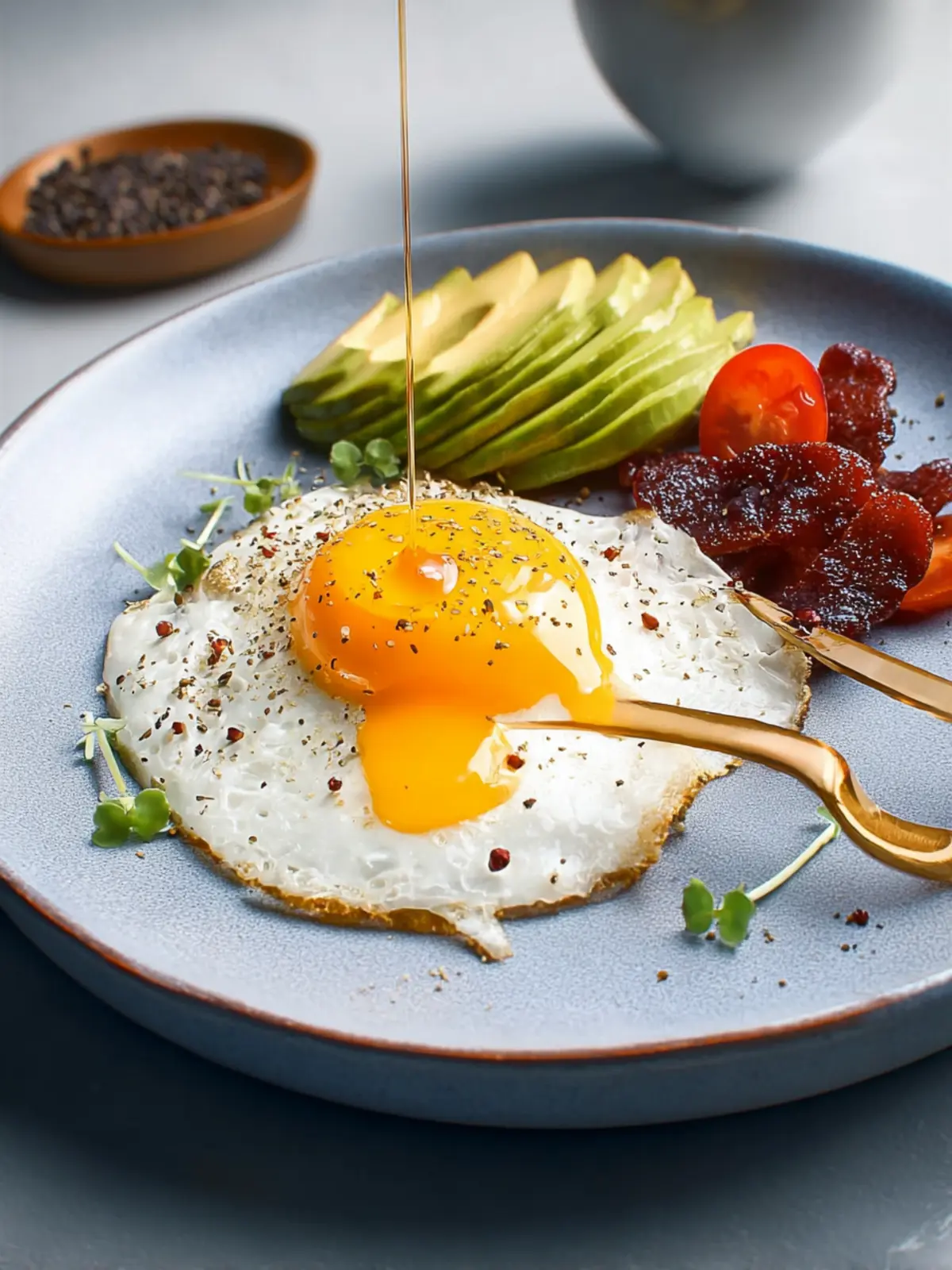
- Fried: Whether sunny-side-up or over-easy, frying eggs provides a crisp edge that many crave.
How do you know when eggs are cooked properly?
Cooking eggs to perfection requires keen observation. Here’s what to look for:
- Boiled Eggs: The whites should be firm and the yolks cooked to your liking. For hard-boiled, check that the yolk isn’t translucent.
- Scrambled Eggs: They should be soft and slightly runny; they’ll continue to cook off the heat.
- Poached Eggs: Look for a firm white around a runny yolk. The egg should hold its shape without being rubbery.
Can I store cooked eggs in the fridge?
Yes, you can! Cooked eggs can be stored in the fridge for up to one week. Just be sure to keep them in a sealed container to protect against odors. When you’re ready to enjoy them again, reheat gently in the microwave or on the stove to retain their deliciousness.
Arming yourself with these tips will surely aid in your egg-cooking endeavors!
Conclusion on Cooking Eggs: 10 Ways
Embracing the versatility of eggs can truly elevate your cooking game. Whether it’s a soft-boiled egg that perfectly tops your ramen or a fluffy omelet stuffed with your favorite veggies, knowing how to cook eggs opens doors to countless delicious meals. Here’s a quick recap of the fantastic methods we explored:
- Scrambled: Simple and quick, ideal for breakfast.
- Poached: A healthier option, perfect on toast.
- Fried: Classic and customizable with various toppings.
- Baked: An elegant presentation for brunch.
- Hard-boiled: Great for snacks or salads.
- Soft-boiled: A delicacy that enhances dishes.
- Oven-baked: Allows for cooking multiple eggs simultaneously.
- Eggs Benedict: A restaurant favorite made at home.
- Deviled: Perfect for gatherings and parties.
- Shakshuka: A flavorful Middle Eastern dish.
With these methods under your belt, you’re all set to experiment and impress!
Print
Perfectly Cooked Eggs
- Total Time: 15 minutes
- Yield: 2 servings 1x
Description
Learn how to make perfectly cooked eggs in a skillet with this easy recipe.
Ingredients
Scale
- ½ tablespoon butter (or neutral oil)
- 2 fresh eggs
Instructions
- In a large cast-iron or non-stick skillet, melt ½ tablespoon butter over medium-low heat until the butter starts to foam. (Tip: If using a stainless steel or cast iron skillet, heat it for several minutes on medium-high heat (until a drop of water dances on the pan), then reduce the heat and add butter. This will make the skillet act non-stick.)
- Cook for 2-3 minutes, until the whites are firm but the yolks are still runny. Don’t flip! Remove the eggs to a plate and serve.
- Cook for 2 to 3 minutes, until the white is firm but the yolk is still runny. Flip and cook 20 to 30 more seconds, keeping the yolk still liquid.
- Cook for 2 to 3 minutes, until the white is firm but the yolk is still runny. Flip and cook 1 more minute until the yolk is jammy and just barely runny. (Press the yolk gently with your finger to assess doneness.)
- Cook for 2 to 3 minutes, until the white is firm but the yolk is still runny. Flip and cook 2 more minutes until the yolk is fully cooked through. About 1 minute in, gently press the yolk with a spatula to make sure it’s broken.
Notes
- Use fresh eggs for the best results.
- Be careful not to overcook the yolks if you prefer them runny.
- Prep Time: 5 minutes
- Cook Time: 10 minutes
- Category: Breakfast
- Method: Skillet
- Cuisine: American
Nutrition
- Serving Size: 2 eggs
- Calories: 150
- Sugar: 0g
- Sodium: 100mg
- Fat: 11g
- Saturated Fat: 7g
- Unsaturated Fat: 3g
- Trans Fat: 0g
- Carbohydrates: 1g
- Fiber: 0g
- Protein: 12g
- Cholesterol: 370mg