Follow Me On Social Media!

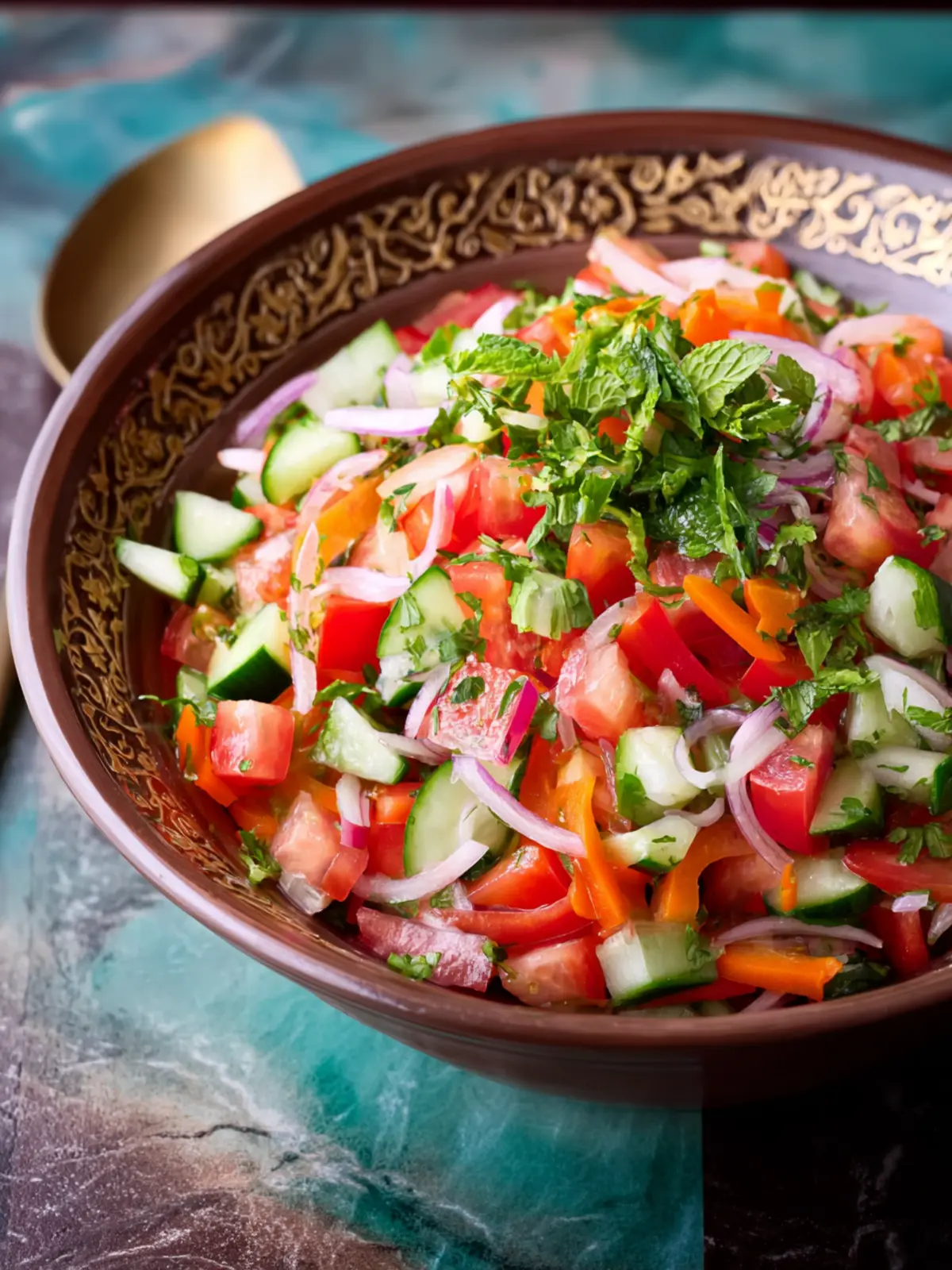
Arabic Salad Delight: Fresh, Bright, and Totally Irresistible

Introduction to Arabic Salad
Arabic salad is more than just a dish; it’s a colorful celebration of flavors and a reflection of the rich culinary history of the Arabic world. Each chop of fresh vegetables brings to life the bustling markets of the Middle East, where vibrant produce delights the senses. This salad, often enjoyed as a refreshing side dish or a light meal, showcases the beauty of using simple, fresh ingredients to create something extraordinary. Not only is it delicious, but it also embodies the philosophy of eating healthy, seasonal food.
The Story Behind Arabic Salad
The roots of Arabic salad can be traced back to traditional Levantine cuisines in countries like Lebanon, Syria, and Palestine. It’s a staple at any gathering, symbolizing hospitality and abundance. The salad often includes a medley of ingredients such as tomatoes, cucumbers, bell peppers, and fresh herbs, all tossed together in a light dressing of olive oil and lemon juice. Each family may have its unique twist, incorporating seasonal local vegetables or enhancing the dish with spices like sumac.
Did you know that the glistening colors of the salad aren’t just for aesthetics? Each shade represents various nutrients essential for our health. For instance, the vibrant red of tomatoes is packed with vitamin C and antioxidants, while the greens of parsley and mint add freshness and essential vitamins. Traditionally, it’s served alongside grilled meats, giving meal times a sense of balance between the hearty and the crisp.
When making Arabic salad, it’s all about quality ingredients. Freshness is key; the salad shines brightest when made with vegetables that are at their peak. As you prepare it, you can savor the crunch of freshly chopped cucumbers and the aromatic sweetness of ripe tomatoes.
In essence, Arabic salad is a beautiful symphony of flavors and textures, perfect for any meal. It’s a dish that draws people together, full of stories waiting to be shared around a table. Let’s dive into how you can bring this delightful dish to your kitchen!
Key Ingredients for Arabic Salad
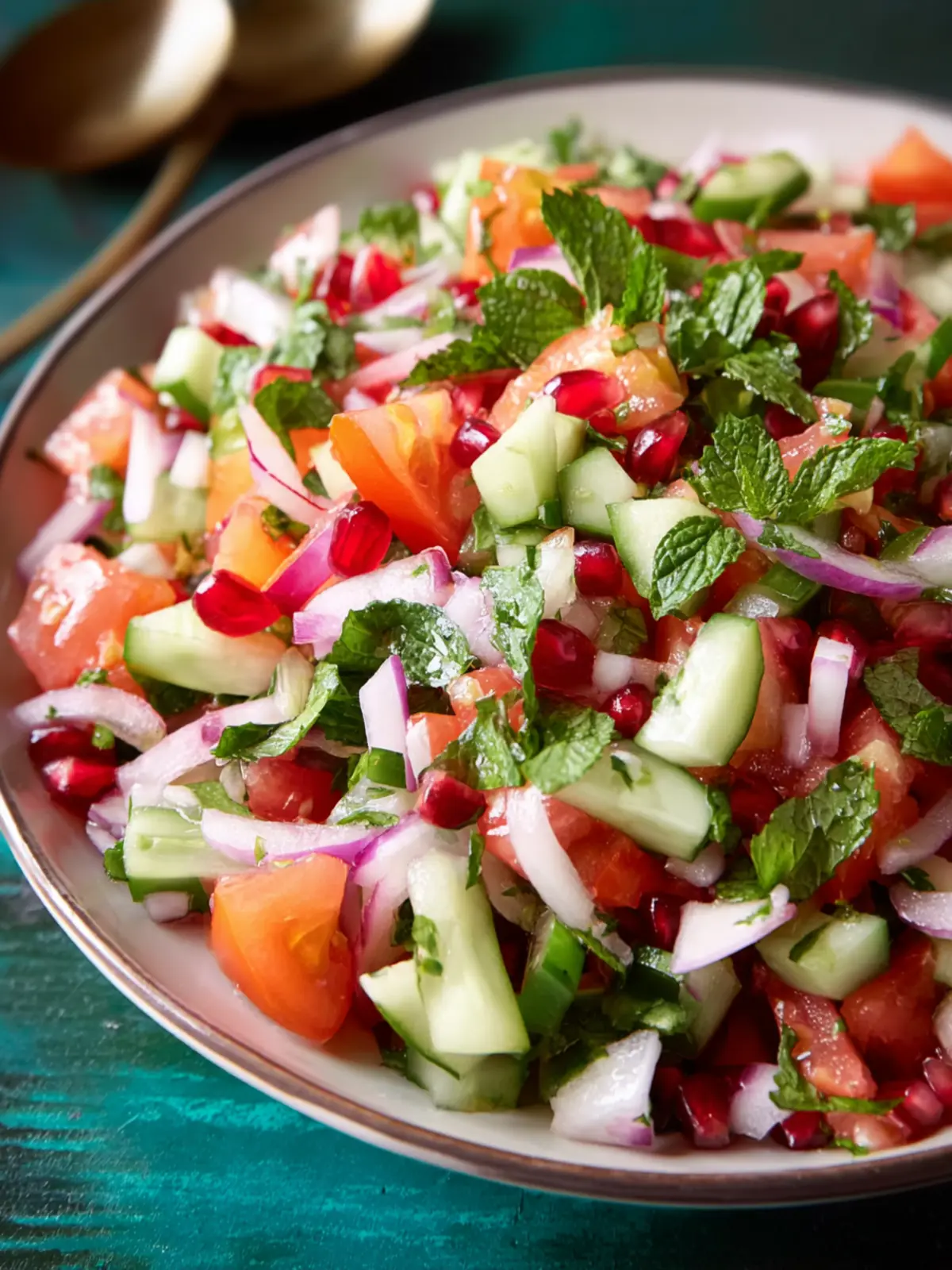
Arabic salad is a celebration of fresh, vibrant flavors that draw from the heart of Mediterranean cuisine. Each ingredient contributes to a dish that’s not only nutritious but also visually stunning.
Tomatoes: Juicy and vibrant, fresh tomatoes bring sweetness and acidity, making them the star of this salad. Always opt for the ripest ones, as their flavor is essential for that rich taste.
Cucumbers: Crisp and refreshing, cucumbers add crunch and balance to the dish. They’re like nature’s little coolers, providing that perfect bite alongside the tomatoes.
Red Onion: This ingredient provides a zesty bite; I opt for red onion for its milder flavor compared to yellow onions. It melds beautifully with the other ingredients without overwhelming them.
Radishes: These bring a peppery flavor and beautiful color, enhancing the salad’s visual appeal. Their crunch adds an exciting texture that keeps each bite interesting.
Parsley: Fresh parsley is not just a garnish; it adds a burst of herby flavor that brightens the salad. It also offers a lovely pop of green that makes the dish visually appealing.
Olive Oil: A good quality olive oil enriches the salad with smoothness and depth, tying all the flavors together beautifully.
Lemon Juice: The acidity from fresh lemon juice elevates the flavors and keeps everything fresh. It’s the final touch that makes the salad sing.
Kosher Salt and Black Pepper: Essential for enhancing the flavors of the ingredients, these spices round out the salad, bringing all the components into harmony.
With these thoughtfully selected ingredients, your Arabic salad will be a delightful addition to any meal, bursting with flavor and color!
Why You’ll Love This Arabic Salad
Finding a dish that bursts with flavor yet feels light and refreshing is a culinary treasure, and that’s exactly what you’ll experience with this Arabic salad. Picture a vibrant mix of fresh vegetables, aromatic herbs, and zesty lemon dressing coming together in a harmonious blend. It’s the perfect accompaniment for any meal or a satisfying dish on its own.
-
Freshness at Its Core: Every bite of this Arabic salad highlights the crisp, garden-fresh ingredients. The tomatoes, cucumbers, and parsley aren’t just veggies; they are symbols of the Mediterranean diet, known for its health benefits and vibrant flavor profiles. Research shows that diets rich in fruits and vegetables can reduce the risk of chronic diseases, so this isn’t just delicious—it’s healthy too!
-
Cultural Connection: This salad is more than just a recipe; it represents the rich heritage of Arabic cuisine. Sharing it with friends or family can evoke a sense of togetherness, as this dish is often served at gatherings and celebrations.
-
Versatility: Whether you’re hosting a dinner party or simply tossing together a quick lunch, this Arabic salad adapts perfectly. Add some chickpeas for protein or sprinkle feta cheese on top for extra richness. It’s easy to personalize!
This dish is sure to become a go-to favorite in your kitchen—your taste buds will thank you!
Variations of Arabic Salad
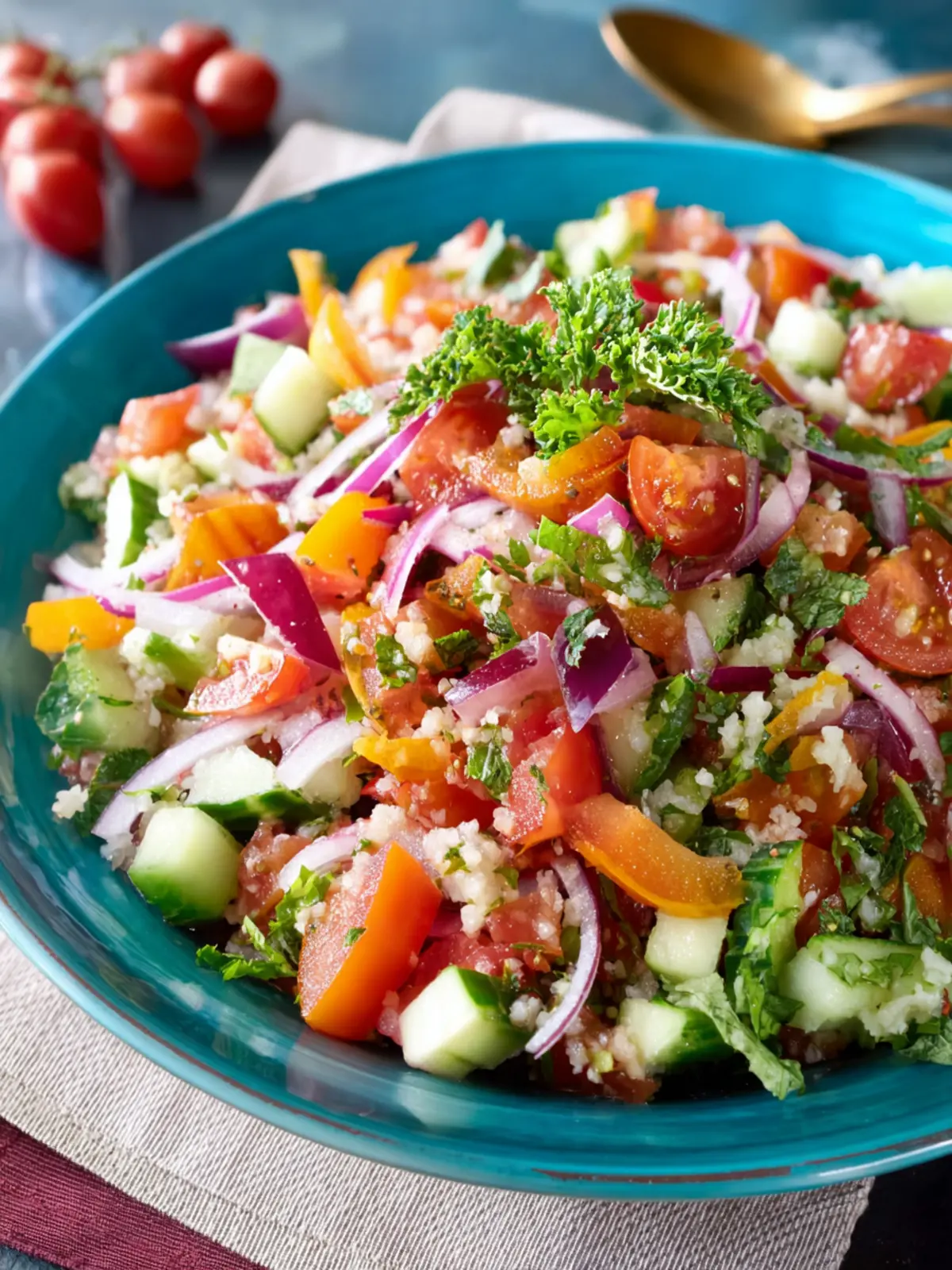
Exploring the intricate world of Arabic salad variations can lead you down a delightful culinary path, bursting with flavors and textures. Each region across the Arab world brings its own flair to this versatile dish, transforming a simple mix of ingredients into an expressive masterpiece.
Classic Fattoush
If you’ve ever been smitten by the refreshing zing of mint and citrus, fattoush is the way to go. This variation prominently features crispy pita bread, parsley, mint, radishes, and fresh veggies like tomatoes and cucumbers, all dressed in a zesty sumac vinaigrette. It’s not just food; it’s a celebration of ingredients!
Tabbouleh Twist
You can also venture into the territory of tabbouleh, which is heavily reliant on parsley, bulgur, and a gentle touch of mint. The emphasis here is on finely chopped vegetables, particularly tomatoes, mixed with a lemony dressing. The good news? It’s just as nourishing and pack-full of flavor!
Spicy Variant
For those who crave a bit of heat, consider adding diced jalapeños or harissa for a spicy version of your Arabic salad. This fiery kick can elevate your dish, blending beautifully with the classic fresh ingredients.
Seasonal Sensations
Different seasons call for different variations! In spring, include fresh peas or spring onions, while autumn can beckon roasted vegetables. Making a hearty Arabic salad with seasonal ingredients not only enhances flavors but also supports local farmers.
Protein-Packed Additions
Lastly, why not add some protein? Chickpeas or grilled chicken can turn a simple Arabic salad into a satiating meal without losing its refreshing essence. Experimentation is key, so let your palate guide you in creating your perfect personalized version!
Each variation of Arabic salad invites innovation while celebrating the rich cultural heritage behind this beloved dish.
Cooking Tips and Notes for Arabic Salad
Creating a delicious Arabic salad is all about respecting the vibrant ingredients you choose. When preparing this dish, keep in mind the fresh tastes typical of Middle Eastern cuisine. Here are some helpful tips to elevate your salad experience.
Choose the Right Vegetables
The foundation of any wonderful Arabic salad lies in quality vegetables. I recommend using ripe tomatoes, crunchy cucumbers, and fragrant parsley. For the best flavor, opt for organic produce when possible. Also, consider using various colors of bell peppers for an added visual appeal.
Mastering the Dressing
The dressing is crucial in bringing your salad to life. Use fresh lemon juice for a bright flavor, and don’t shy away from a generous splash of extra virgin olive oil. Balance the acidity with just the right amount of salt, and consider adding a pinch of sumac for that authentic Middle Eastern flair.
Texture Matters
Texture plays a vital role in making your Arabic salad enjoyable. Aim for a mix of crunchy vegetables and creamy feta, if desired. You can also add toasted pine nuts or almonds for an additional crunch — it really makes a difference!
Fresh is Best
Make this salad just before serving to preserve its freshness. If you must prepare it ahead of time, store the dressing separately to prevent the vegetables from getting soggy. Enjoy your vibrant, flavorful creation — you’ve earned it!
Serving Suggestions for Arabic Salad
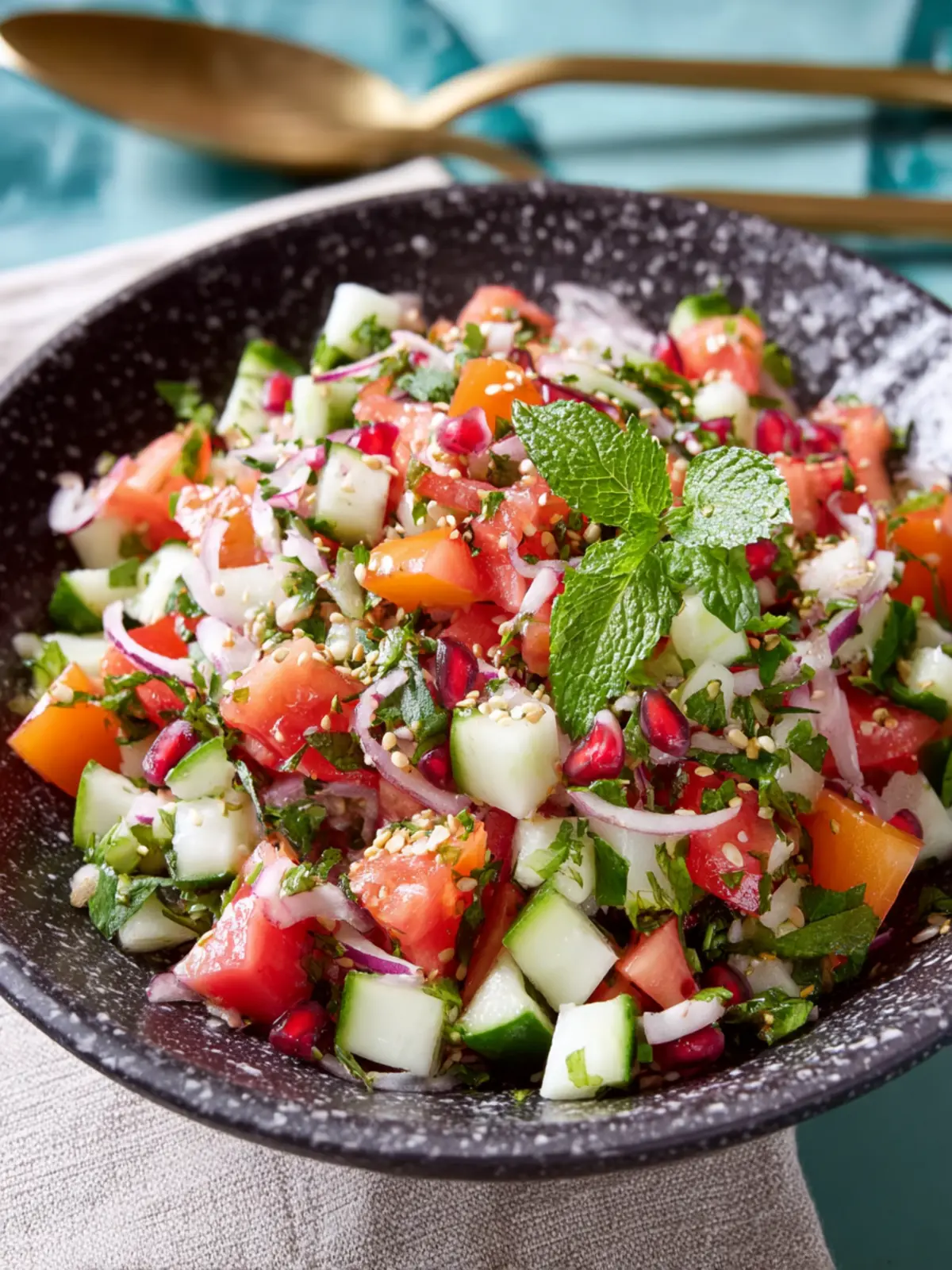
When it comes to enjoying the fresh and vibrant flavors of Arabic salad, the serving suggestions can elevate your experience to new heights. There’s something quite magical about the burst of colors and textures that a well-prepared salad brings to the table.
Pairing With Grilled Meats
One of my favorite ways to serve Arabic salad is alongside grilled meats. Whether it’s juicy chicken skewers or marinated lamb chops, the crispness of the salad complements the richly flavored proteins beautifully. Picture a plate piled high with grilled kabobs, with the salad serving as a refreshing contrast—it’s a match made in culinary heaven!
As a Light Lunch
For a quick and satisfying meal, consider turning your Arabic salad into a light lunch. Simply add a few slices of grilled chicken or falafel for protein, and you’ve got a balanced dish bursting with flavors. It’s perfect for those days when you crave something fresh yet filling without the heaviness.
Serving With Pita Bread
Don’t forget about the classic complement of warm pita bread! Scooping up bites of Arabic salad with freshly baked pita adds a delightful texture to your meal. It’s a fun, communal way to enjoy the dish, especially when hosting friends or family.
Perfect for Potlucks and Gatherings
Finally, Arabic salad is always a show-stopper at gatherings. Its vibrant presentation and refreshing taste make it a popular choice at potlucks. Add a sprinkle of feta cheese or some olives to take it up a notch, and watch your guests delight in its flavors.
Embrace the endless possibilities that come with serving Arabic salad—it’s not just a side dish; it’s an experience worth sharing!
Time Breakdown for Arabic Salad
Understanding the timeline for making Arabic salad can help streamline your culinary adventures. Here’s a quick breakdown to keep your cooking process efficient and enjoyable.
Preparation Time
For the Arabic salad, you’ll need approximately 10 minutes for preparation. This includes gathering your ingredients and ensuring everything is ready to go.
Chopping Time
Chopping the fresh vegetables—like cucumbers, tomatoes, and bell peppers—will take about 15 minutes. The key is to have everything uniformly diced for a delightful bite in every forkful.
Total Time
In total, you’re looking at around 25 minutes from start to finish. With this salad, you not only get a delicious dish but also a quick and healthy option that fits perfectly into a busy lifestyle. Enjoy every step of the process!
Nutritional Facts for Arabic Salad
Exploring the Arabic salad isn’t just about savoring every bite; it’s also about understanding what makes this dish both delicious and nutritious. Packed with fresh ingredients, it’s a guilt-free choice for any health-conscious individual.
Calories
A serving of this vibrant Arabic salad contains approximately 150 calories. This makes it a fantastic option for a light lunch or a refreshing side dish that won’t weigh you down.
Carbohydrates
With around 20 grams of carbohydrates per serving, this salad provides a perfect balance of energy without excessive carbs. The fresh vegetables contribute complex carbohydrates, promoting sustained energy levels.
Fiber
One of the standout features of an Arabic salad is its fiber content, which typically reaches about 5 grams per serving. This helps in digestion and keeps you feeling full longer, making it an excellent addition to your daily diet.
With these nutritional benefits, you can enjoy your Arabic salad not only for its taste but for how good it is for you!
FAQs about Arabic Salad
Creating the perfect Arabic salad isn’t just about tossing ingredients together; it can spark many curious questions. Here’s a helpful guide to some frequently asked questions about this vibrant dish, ensuring you enjoy it to the fullest.
Can I make Arabic salad ahead of time?
Yes, you can prepare your Arabic salad in advance! In fact, letting it sit for a few hours or even overnight in the fridge allows the flavors to meld beautifully. Just be cautious with the tomatoes, as they can become mushy if left too long. To maintain the freshness, chop and add them right before serving. Storing the salad in an airtight container will also help keep it crisp and fresh.
Enhancing your salad with extra protein
Adding protein to your Arabic salad can elevate it from a side dish to a fulfilling main course. Consider incorporating:
- Grilled chicken or lamb for a savory touch.
- Chickpeas for a plant-based protein that’s also nutritious.
- Feta cheese or hummus can also add creamy richness.
These additions not only enrich the flavor profile but also make your salad more satisfying.
How do I store leftover Arabic salad?
Storing your Arabic salad correctly ensures you can enjoy it another day. Transfer any leftovers to an airtight container and place it in the refrigerator. For best results, consume within two to three days. If you’ve added ingredients like cucumbers or tomatoes, consider storing these separately to prevent them from wilting. Just give everything a gentle toss when you’re ready to dig in, and you’re all set!
With these tips, your experience with Arabic salad is bound to be delicious and rewarding!
Conclusion on Arabic Salad
To wrap up our exploration of Arabic salad, it’s clear that this dish is more than just a side—it’s a celebration of freshness and flavor. With crisp cucumbers, vibrant tomatoes, and a zesty dressing, you’re not just creating a meal; you’re crafting an experience.
Imagine serving this delightful salad at your next gathering, where the colors and textures will have your guests reaching for seconds. Not only is it simple to make, but it’s also packed with nutrients and can be customized to suit any taste. So, embrace this Arabic salad and delight in its wholesome goodness!
Print
Chopped Salad
- Total Time: 15 minutes
- Yield: 4 servings 1x
- Diet: Vegetarian
Description
A refreshing and vibrant chopped salad.
Ingredients
Scale
- 4 tomatoes
- 2 cucumbers
- 1 red onion
- 6 radishes
- 1 cup parsley (chopped)
- 3 tablespoons olive oil
- 1 lemon (juice of)
- 1 teaspoon kosher salt
- 1/4 teaspoon black pepper
Instructions
- Chop the tomatoes, cucumbers, red onion, and radishes into small, even pieces and place in a large bowl. Add in the parsley as well.
- Drizzle with olive oil and freshly squeezed lemon juice.
- Season with salt and black pepper and toss well to combine.
- Taste and adjust seasoning if needed. Serve immediately.
Notes
- Feel free to add other vegetables or herbs as desired.
- This salad is best served fresh.
- Prep Time: 15 minutes
- Category: Salad
- Method: No-Cook
- Cuisine: Mediterranean
Nutrition
- Serving Size: 1 cup
- Calories: 150
- Sugar: 3g
- Sodium: 300mg
- Fat: 14g
- Saturated Fat: 2g
- Unsaturated Fat: 8g
- Trans Fat: 0g
- Carbohydrates: 10g
- Fiber: 3g
- Protein: 2g
- Cholesterol: 0mg